
Japan Market Insights
Japanese Consumer Trust: What Your Reviews Are Missing
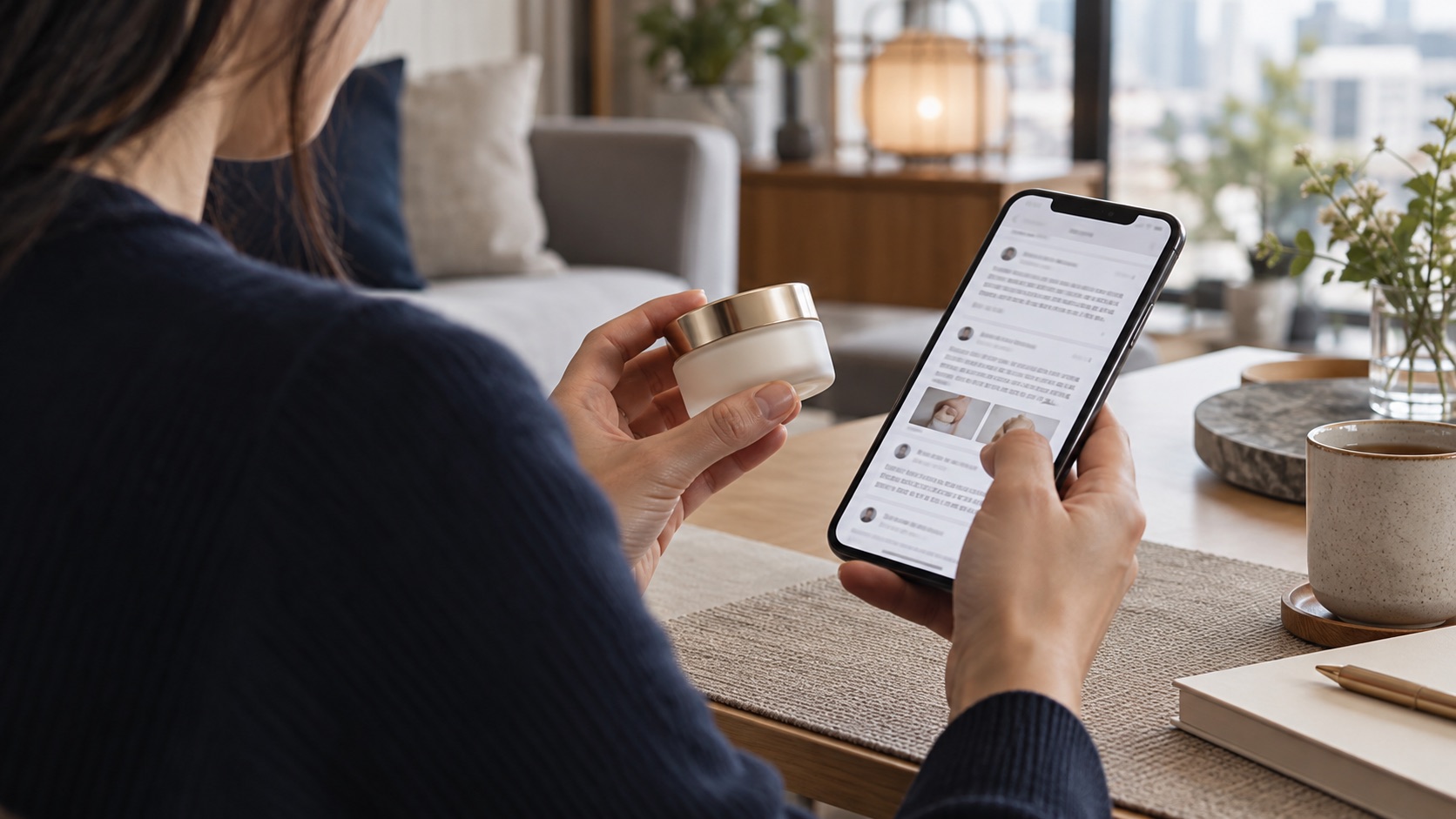
Illustrative image generated with AI.
A high score does not answer every buying question
Your product has excellent reviews overseas. You translate them into Japanese, add them to your website and expect reassurance to follow. Yet visitors still hesitate.
A useful question is not only “Do people like this product?” It is “Can someone like me expect the same result?” For a brand entering Japan, the conditions behind a recommendation can matter as much as the praise.
I am Junko Adachi, founder of Anatano PR. My approach combines marketing experience with attention to the everyday situations in which people in Japan choose, use and talk about products. The examples below are situations to investigate with your own customers, rather than fixed rules about everyone in Japan.
Make the reviewer’s situation understandable
Imagine a shopper considering an unfamiliar skincare product. “The best cream I have ever used” communicates enthusiasm. It does not explain the reviewer’s skin type, how they used it or whether it suited their morning routine.
The Japanese beauty platform @cosme offers ways to find reviews using factors such as age and skin type. This is a concrete example of helping readers find relevant experience, not evidence that every shopper behaves identically.
When presenting genuine overseas reviews, retain useful context: the purpose, product size, length of use and practical conditions. A similar routine may be more informative than the reviewer’s nationality.
Read the explanation behind a low rating
Consider a hypothetical bag review: “Smaller than expected.” A commuter carrying work equipment may reject the bag. Someone seeking a compact weekend bag may become more interested.
The complaint might reveal a product problem, a mismatch in customer expectations or a missing comparison photograph. Those require different responses.
Read positive and negative reviews together. Record what the buyer expected, where the product was used and what caused satisfaction or disappointment. A small sample is not representative market research, but repeated questions can identify useful tests.
The experience around the product also carries meaning
Comments about a clear reply, a reliable delivery or a carefully presented package can help a first-time buyer imagine how a company will treat them if something goes wrong.
“Polite service” need not mean lengthy formal language. It can mean answering the question directly, explaining the next step and keeping a promise.
Similarly, a courteous response during an interview—“That looks lovely” or “I will consider it”—is not a purchase commitment. Ask what the person would use the product for, what they currently use and what would make them hesitate. Do not assume that an agreeable conversation has removed their doubts.
Build evidence before you have a large Japanese customer base
Use real demonstrations and genuine reviews with clear conditions. Explain who a product suits and where its limitations matter. If feedback comes from people who received products or other benefits, make that relationship understandable to readers.
Customer feedback can also improve the offer. MUJI publicly describes using reviews and suggestions in product and service development. The useful lesson is to keep listening after the sale, rather than treating feedback only as promotional copy.
Start with one recurring question. Add the photograph, explanation or support information that answers it, then check what changes in customer behavior. Trust becomes more tangible when buyers can judge the fit for themselves.
About the author
Junko Adachi is the founder and CEO of Anatano PR, a marketing and branding consultancy in Japan. Before founding the company, she worked in marketing at Gucci, Chaumet (part of LVMH) and Yellowfin Japan. She now supports B2C and B2B businesses with marketing and brand development.
Discuss your Japan marketing
Looking for practical support with positioning, customer communication or marketing in Japan? Email info@anatano-pr.com with your company website, product and current challenge. Learn more about Anatano PR and our Japan market support.
Further reading
For the website foundations behind these ideas, see Why Your Japanese Website Isn’t Winning Customers. Explore more Japan Market Insights.