
Japan Market Insights
Seasonal Marketing in Japan: Plan Around Life, Not Just Dates
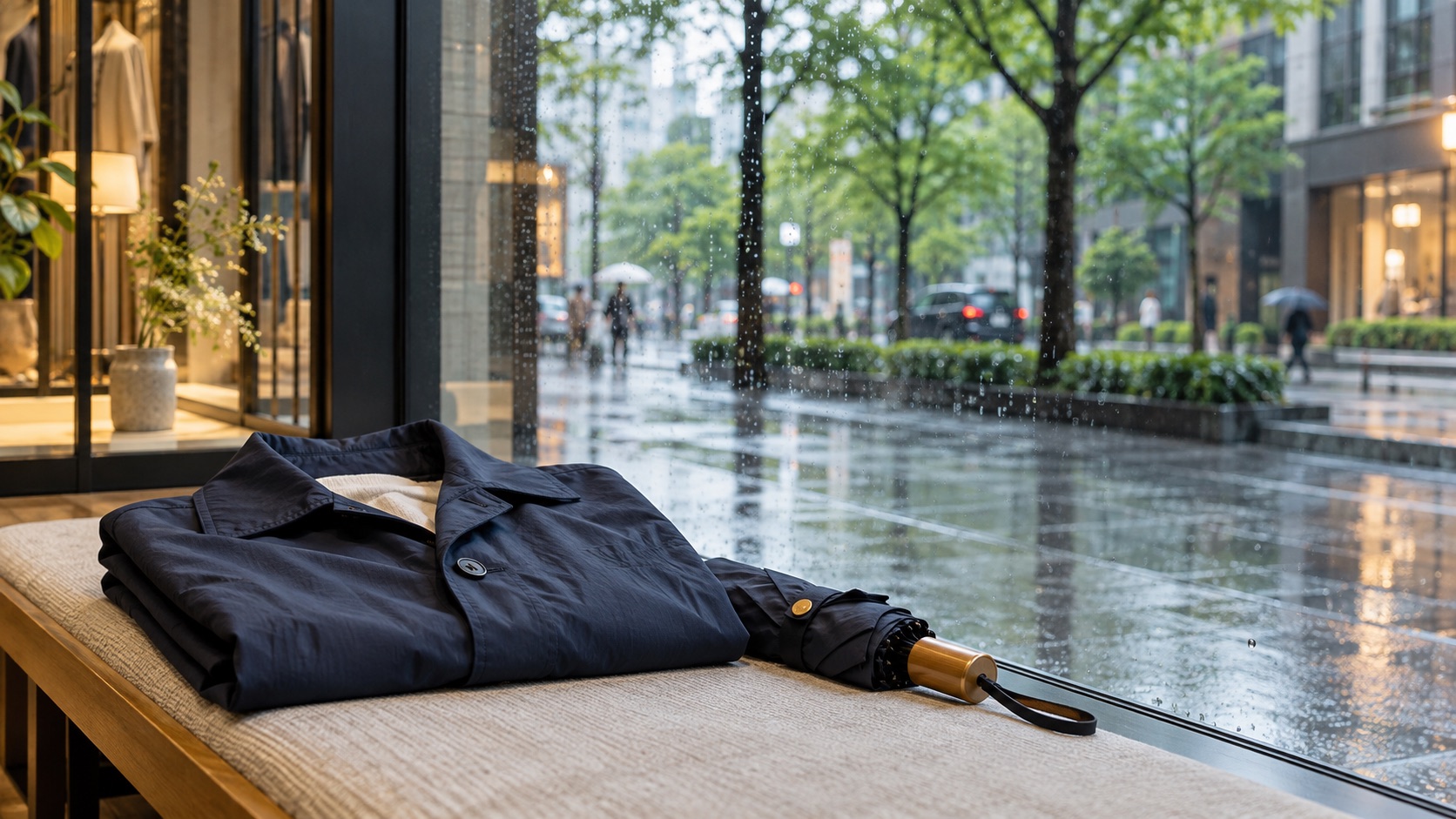
Illustrative image generated with AI.
The same month can carry a different buying context
A global campaign can be perfectly translated and still arrive at an awkward moment in Japan. A heavy autumn outfit may feel difficult to use on a hot day, while a lighter piece in autumn colors might fit both the weather and the mood.
A useful planning framework separates three things: the physical season, changes in daily life and the feeling of the approaching season. They do not always move together.
These are perspectives for testing with your audience, not rules that every Japanese customer follows.
1. The weather people actually experience
Think about the specific conditions in which the product will be used. A person may move between outdoor heat, an air-conditioned train and an office. A rainy period may change laundry routines or what they carry.
A seasonal label such as “summer essentials” gives limited help unless the customer can connect it to a real situation. Someone commuting by train, driving or working from home may need different things.
Japan also has meaningful regional climate differences. The Japan Meteorological Agency explains the effects of the country’s north–south extent and geography. Do not treat one city’s weather as a nationwide condition.
2. Changes in the customer’s life
A new job, a move or the start of school can change the reason to buy a familiar product. In Japan, spring is associated with several of these transitions, although they do not happen to everyone at the same time.
A bag becomes something for a new commute. Storage becomes part of organizing a new room. The product may be unchanged while the customer’s problem becomes more urgent.
Build the calendar around your intended audience’s year. A list of public holidays is useful background, but it does not replace understanding when those people reassess what they own.
3. The feeling of the next season
There can be a small gap between practical weather needs and emotional interest. A customer may notice spring colors while it is still cold, or want an autumn tone before heavier clothing feels comfortable.
The familiar observation is “The next season is already appearing in the shops.” It can offer a gentle reason to refresh something ordinary, rather than requiring a major purchase.
Combine that mood with usable conditions. MUJI has published clothing suggestions organized around temperature within the same spring season. The useful idea is to connect seasonal presentation with what someone can actually wear today, not to copy a particular retailer’s styling.
Work backward from use, not forward from launch
If a product is intended as a gift at a family gathering, it must arrive before the event. Before ordering, the buyer may need time to discover, compare and choose it.
Map four stages: introduction, ordering, delivery and use. Cross-border delivery adds another practical consideration. State the conditions and timeframes you can support; do not imply a guaranteed arrival when you can only provide an estimate.
Gift occasions also have regional variations. Mitsukoshi Isetan’s guidance describes different timing for ochugen, the summer gift custom. Verify details for the target region and year instead of choosing one universal date for Japan.
A seasonal campaign does not require a new product
You can show a new use for an existing product: settling into a new routine, carrying it in rainy weather or choosing it for a particular recipient.
The explanation should match actual product features. Seasonal decoration alone may not communicate why the item is relevant now, and any limited-time message should reflect the real offer.
Begin with one likely change in the next month or two. Describe the customer’s day, identify the role your product can play and prepare the information they need before buying. That is a more grounded calendar than translating every global campaign on its original date.
About the author
Junko Adachi is the founder and CEO of Anatano PR, a marketing and branding consultancy in Japan. Before founding the company, she worked in marketing at Gucci, Chaumet (part of LVMH) and Yellowfin Japan. She now supports B2C and B2B businesses with marketing and brand development.
Discuss your Japan marketing
Looking for practical support with positioning, customer communication or marketing in Japan? Email info@anatano-pr.com with your company website, product and current challenge. Learn more about Anatano PR and our Japan market support.
Further reading
For the website foundations behind these ideas, see Why Your Japanese Website Isn’t Winning Customers. Explore more Japan Market Insights.
Sources and examples
Japan Meteorological Agency: Japan’s climate