Japan Market Insights
Premium Brand Positioning in Japan: Give Customers a Reason to Pay More
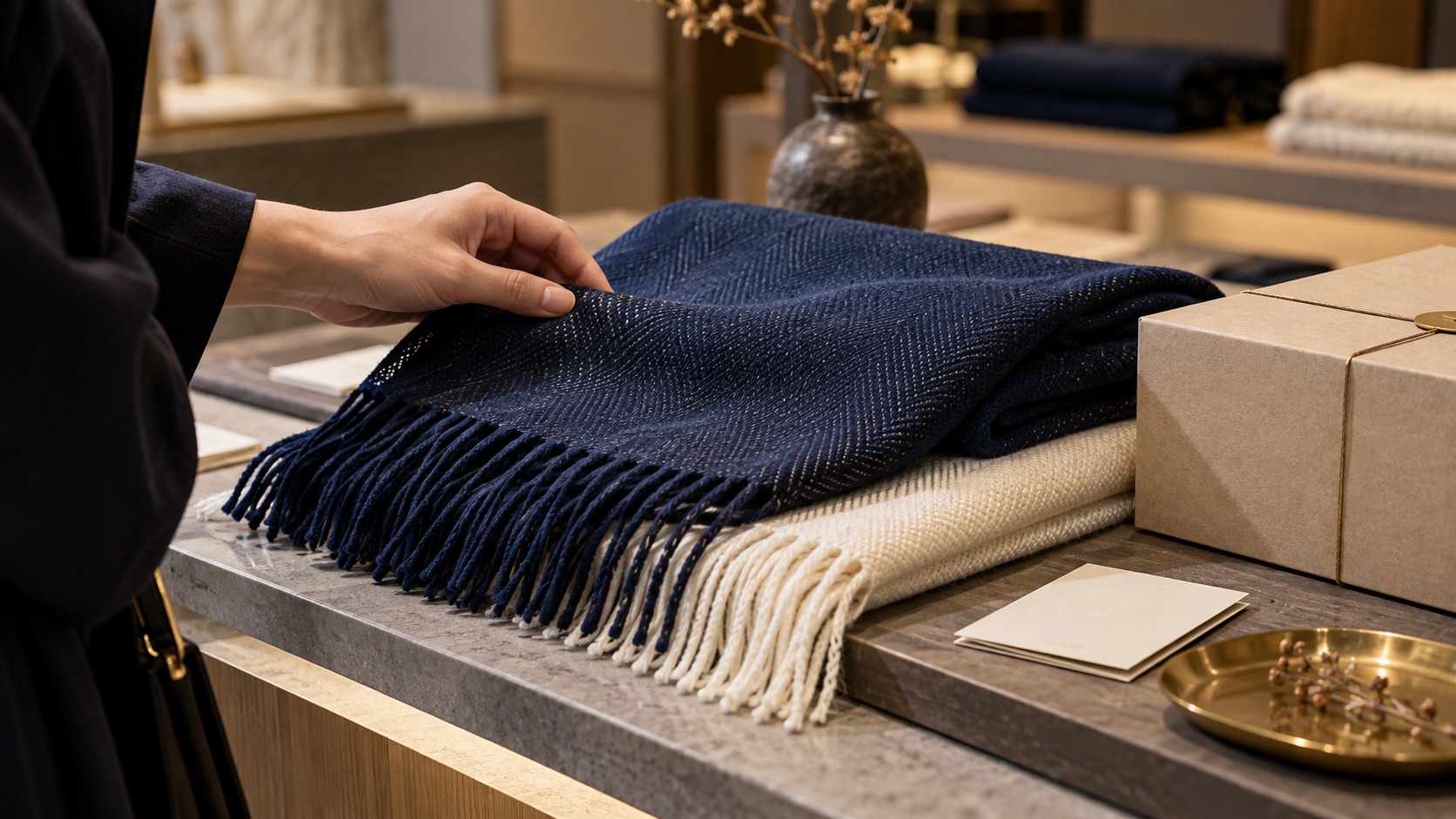
Illustrative image generated with AI.
Translate the reason to buy, not just the word “premium”
A brand can be respected in its home market and still struggle to explain its price in Japan. “High quality,” “European heritage” and “premium materials” describe intentions or attributes. They do not automatically explain why this particular buyer should choose the product now.
As the founder of Anatano PR, I help businesses connect brand positioning with the situations in which customers make decisions. A useful starting point is to identify the occasion, the real alternative and the difference worth paying for.
One customer can have several spending priorities
A person may choose inexpensive everyday clothes and invest in shoes. Another may spend modestly on clothing but care deeply about tea. Classifying either as simply “budget” or “luxury” hides the actual decision.
In Japanese, the expression chotto ii mono can suggest something a little nicer than usual. It does not necessarily mean the most expensive option. The buyer may want a small improvement to an ordinary day, or something appropriate for a particular occasion.
Treat this as a perspective to explore, not a demographic rule. Ask where the customer wants to spend more and why. An everyday drink and a tea chosen for a quiet weekend may call for different presentation, even when the underlying product is similar.
Your competitor may be a different category—or no purchase
A shopper considering a room fragrance might compare it with another fragrance. They might also compare it with flowers as a way to change the atmosphere at home.
This hypothetical example illustrates a practical question: what is the customer trying to achieve with the money? A technical explanation of ingredients may not answer that question on its own.
Map the desired result first. Then identify what else the person could do, including keeping what they already have. This makes competitive analysis more useful than a list of visually similar foreign brands.
Make the difference visible and usable
For a scarf, texture, how it drapes, how it folds and how it is cared for may matter alongside the material’s name. Show enough detail for the customer to understand both its appeal and the effort involved in owning it.
Japanese presentation does not need to mean more gold decoration or a larger box. Some buying occasions call for ceremony; others reward simplicity. MUJI’s published principles include material selection, process review and simplified packaging. This is one brand’s approach, not a formula for luxury success, but it shows that value can be communicated through the reasons behind a product.
Keep your own identity. Connect the product, photography, explanation and delivery experience so they support the same promise.
Show the occasion—and offer a credible first step
An elegant plate pictured only at a large formal dinner may feel distant from a customer’s life. Showing it with seasonal fruit or a small weekend meal can help the buyer imagine using it without changing its design.
A discovery set, demonstration or small initial purchase can also help people judge an unfamiliar brand. It should provide a meaningful experience, not merely a lower price. Consider whether customers can assess the quality and whether delivery costs make sense.
When someone says “It is expensive,” ask what they are comparing it with. The issue could be affordability, an unclear difference or too few imagined uses. Each needs a different response. Before discounting, make sure the reason for the price is understandable.
About the author
Junko Adachi is the founder and CEO of Anatano PR, a marketing and branding consultancy in Japan. Before founding the company, she worked in marketing at Gucci, Chaumet (part of LVMH) and Yellowfin Japan. She now supports B2C and B2B businesses with marketing and brand development.
Discuss your Japan marketing
Looking for practical support with positioning, customer communication or marketing in Japan? Email info@anatano-pr.com with your company website, product and current challenge. Learn more about Anatano PR and our Japan market support.
Further reading
For the website foundations behind these ideas, see Why Your Japanese Website Isn’t Winning Customers. Explore more Japan Market Insights.