
Japan Culture & Places
Tsubaki Grand Shrine and Panasonic’s Founder: Reflections on Leadership
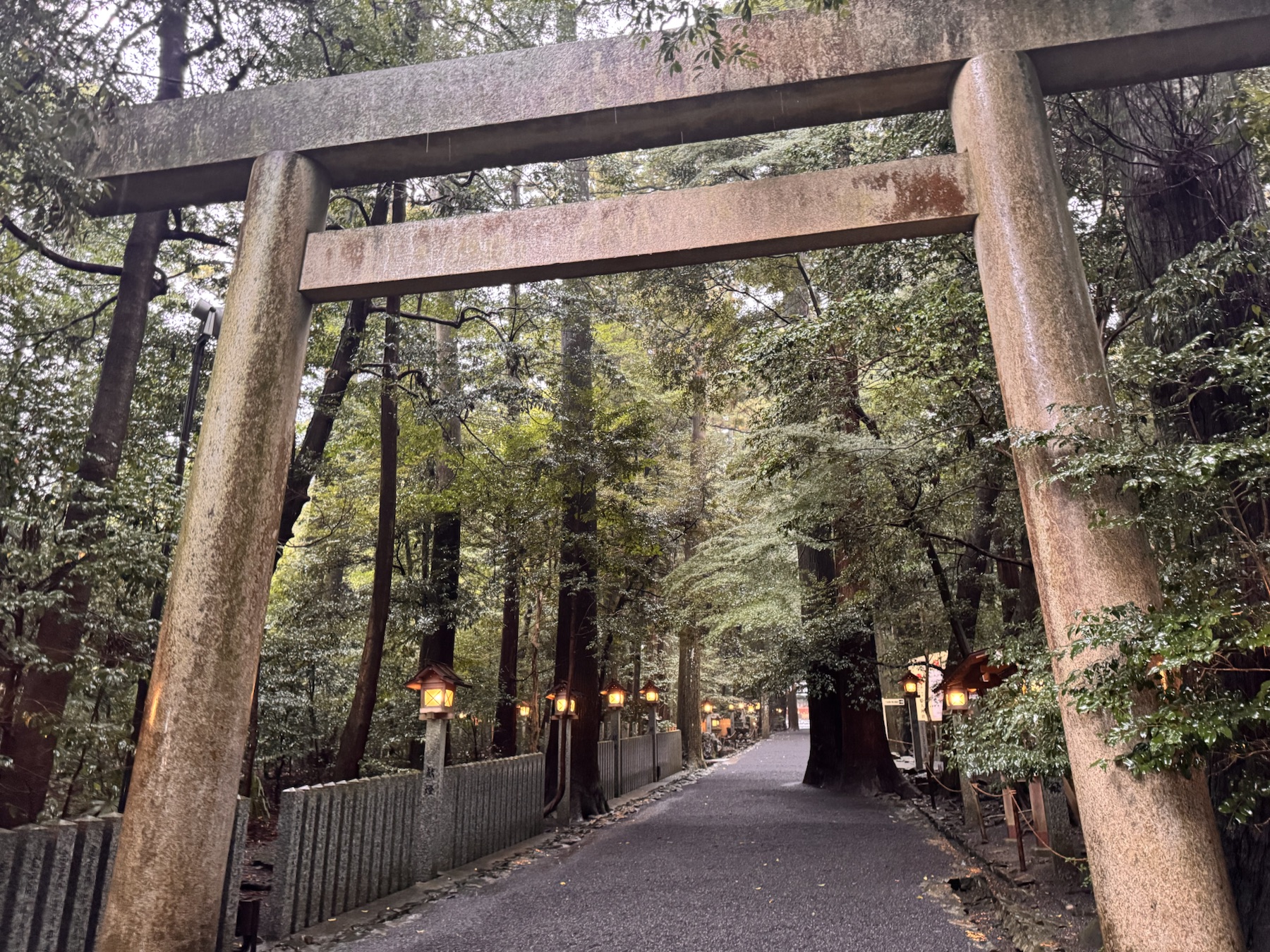
On a rainy day in Mie Prefecture, I walked through the forest approach to Tsubaki Grand Shrine (椿大神社 / Tsubaki Okamiyashiro). The stone path was dark with rain, the lanterns glowed between the cedar trees, and the whole place seemed to slow time down.
Tsubaki Grand Shrine is often introduced as one of Japan’s important Shinto shrines and as the head shrine dedicated to Sarutahiko Ōkami, a deity associated with guidance and opening the way. But for business leaders, there is another reason this place is worth knowing: its deep connection with Konosuke Matsushita, the founder of Panasonic and one of Japan’s most influential business thinkers.
His presence here is not expressed through a corporate monument. It appears in a tea house, a garden, and a small shrine dedicated to him. Together, they offer a different way to think about leadership—one based not only on growth, but also on purpose, humility, and what a business leaves behind.
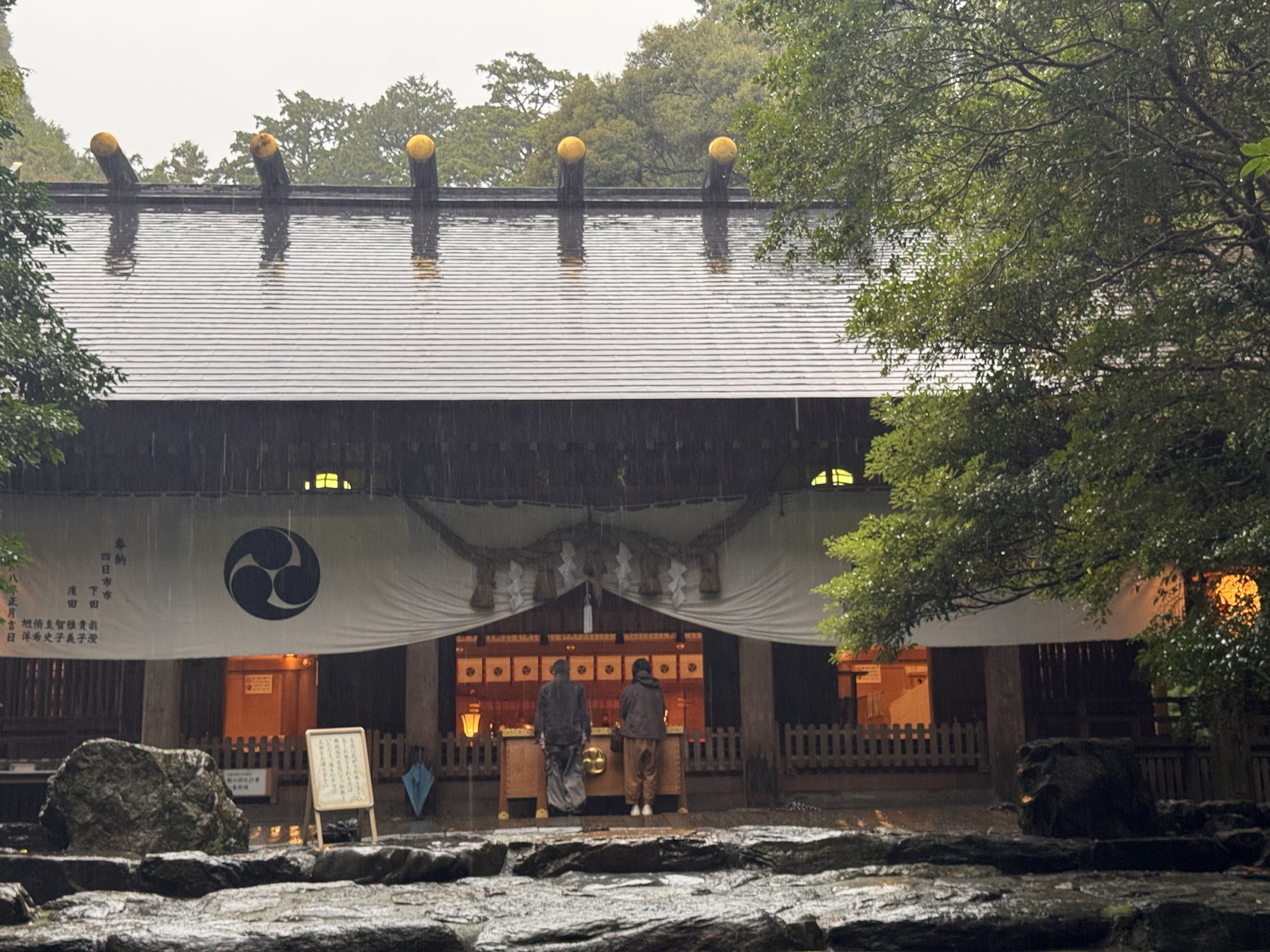
A shrine associated with guidance and direction
Tsubaki Grand Shrine is located at the foot of the Suzuka mountains in Mie Prefecture. Its principal deity, Sarutahiko Ōkami, is known in Shinto tradition as a deity of guidance—the one who helps people find and move along the right path.
That idea feels especially relevant to business.
Leaders rarely struggle because they have no options. More often, they struggle because there are too many: which market to enter, which product to prioritize, what to stop doing, and how to explain the company’s value to customers and employees.
Strategy is not simply a list of actions. It is the act of choosing a direction. Before deciding how to move faster, a leader has to decide which path is worth taking.
Konosuke Matsushita’s connection to Tsubaki Grand Shrine
Konosuke Matsushita was known in Japan as the “God of Management,” but his relationship with Tsubaki Grand Shrine went beyond that familiar title.
The shrine states that Matsushita donated Reishō-an, a traditional tea house, together with its Japanese garden, in the hope of supporting the development of tea culture. The tea house was not created as a private facility. It remains open to the public, regardless of tea school or tradition.
Within the shrine grounds, there is also a small shrine dedicated to Matsushita himself. After his death, he came to be enshrined here, reflecting both his long relationship with Tsubaki Grand Shrine and the respect he earned as a business leader, philosopher, and educator.
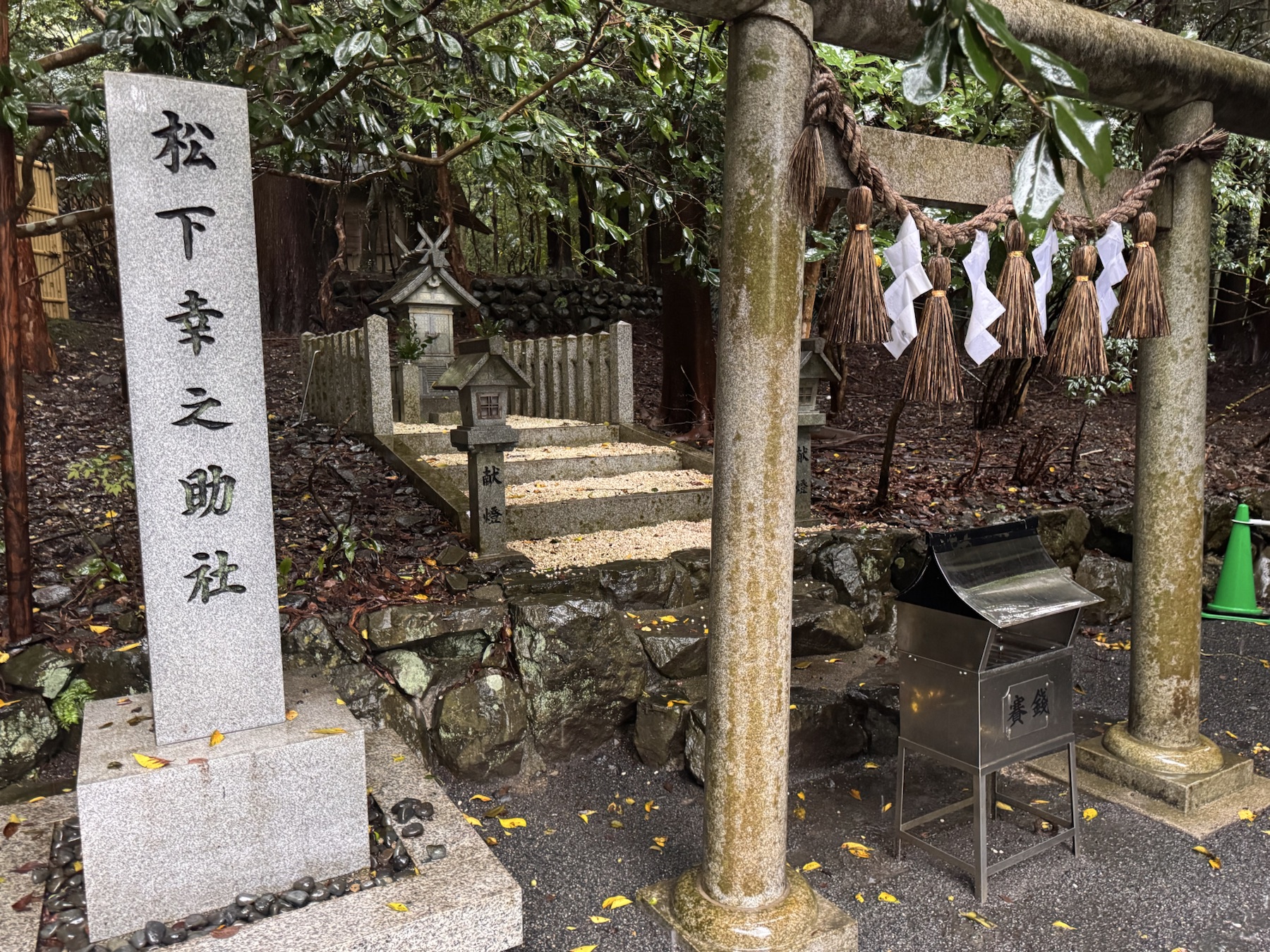
Standing there, I was struck by the contrast. Matsushita built one of Japan’s best-known global companies, yet his legacy at Tsubaki Grand Shrine is quiet and almost hidden among the trees.
That contrast may be the most important part of the story.
Three leadership lessons found here
1. Purpose comes before tactics
Matsushita repeatedly emphasized that the most important task in management is to establish a clear management philosophy. Methods, products, and markets will change. A company still needs a reason for existing and a standard by which it makes decisions.
Many businesses communicate in the opposite order. They begin with features, campaigns, or channels before defining the value they want to create. The result may be busy marketing, but not a strong brand.
A clear philosophy does not remove difficult decisions. It gives people a shared basis for making them.
2. Reflection is part of leadership
The Reishō-an tea house suggests another lesson. Good leadership requires places and moments in which nothing is being sold, measured, or accelerated.
Tea culture values attention: to the season, the guest, the objects in the room, and the quality of a single encounter. In business, that same quality of attention helps leaders notice what spreadsheets alone cannot show—changes in customer expectations, unspoken concerns within a team, or a strength in the company that has never been put into words.
Reflection is not separate from action. It improves the quality of action.
3. A company is remembered for what it contributes
Matsushita’s gift to the shrine was not an advertisement. It supported a cultural practice and created a place that others could continue to use.
This reflects a broader principle in his management philosophy: a company does not grow in isolation from society. Its long-term legitimacy depends on whether it creates value for customers, employees, partners, and the wider community.
For modern brands, this is an important distinction. Purpose is not a slogan added to a campaign. It becomes credible through decisions, behavior, and contributions that remain visible over time.
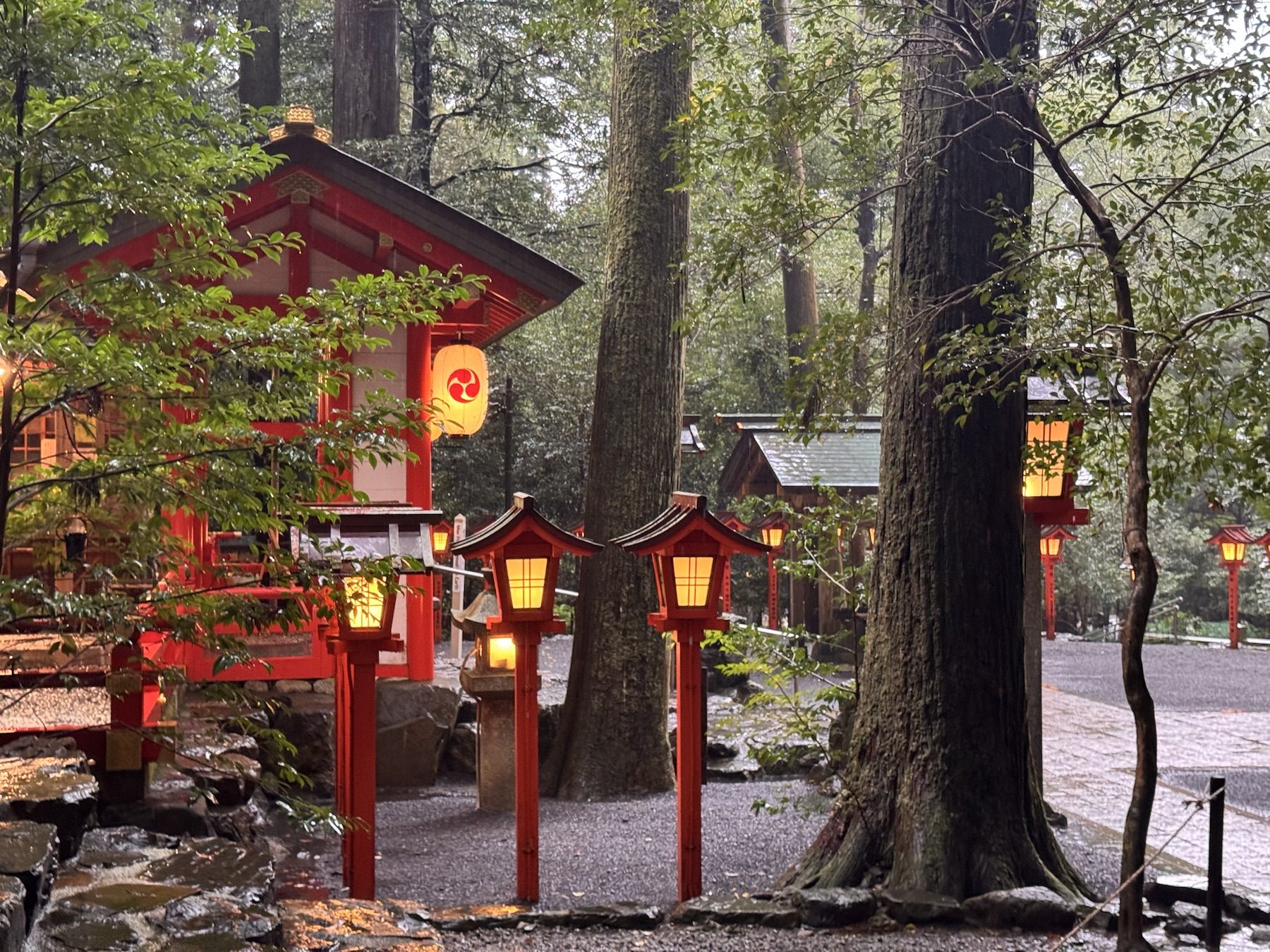
What international companies can learn from this place
Companies entering Japan often begin with market size, distribution, pricing, and translation. All of those matter. But trust in Japan is also shaped by context: how a company explains its purpose, how consistently it behaves, and whether it appears committed to a relationship rather than a quick transaction.
Tsubaki Grand Shrine is not a business case study in the usual sense. That is exactly why it is valuable.
It reminds us that leadership has an inner dimension. Before a company communicates outwardly, it needs an internal axis—a clear understanding of what it stands for, who it serves, and what kind of future it wants to help create.
Matsushita’s connection to this shrine makes that idea tangible. The path forward is not opened by speed alone. It begins with direction.
Visiting Tsubaki Grand Shrine
Tsubaki Grand Shrine is located in Suzuka, Mie Prefecture. If you visit, allow time to walk slowly through the forested grounds. In addition to the main sanctuary, look for the Reishō-an tea house and the small Konosuke Matsushita Shrine. Current access details and opening information are available on the official Tsubaki Grand Shrine website.
The shrine is beautiful in clear weather, but the rain gave the forest a particular depth and stillness. For anyone thinking about a new direction—in business or in life—it is a meaningful place to pause.
About the author
Junko Adachi is the founder and CEO of Anatano PR, a marketing and branding consultancy in Japan. Before founding the company, she worked in marketing at Gucci, Chaumet (part of LVMH) and Yellowfin Japan. She now supports B2C and B2B businesses with marketing and brand development.
Discuss your Japan strategy
Planning to enter or grow in Japan? Anatano PR supports market research, brand positioning, PR strategy, content, social media, and local coordination.
Email Junko Adachi at info@anatano-pr.com with your company website, product, and current challenge. Learn more about Anatano PR and our Japan market support.
Further reading
Explore more Japan Market Insights for practical guidance on marketing, branding, and doing business in Japan.